THE NATURAL HISTORY OF TRIMINGHAM
We are very grateful to Mike Lawrence, natural history enthusiast, photographer, artist, and resident of Trimingham, for contributing this web-page. The photographs and text are all Mike’s own work, observed and captured in his explorations of the fields, woods and sea-cliffs of Trimingham.

LATEST
(From April 2023 ONWARDS)
To view plenty of earlier months’ entries (ie March 2023 and before) together with a wealth of local natural history photos and information, go back on this web-site and access the “NATURAL HISTORY” tab just below this one.
AUTUMN to END OF YEAR 2025











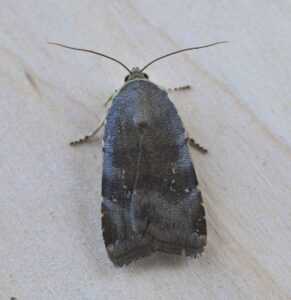

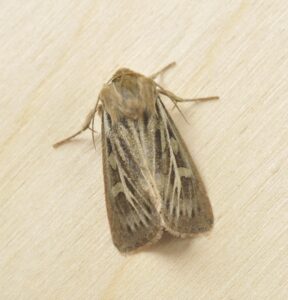
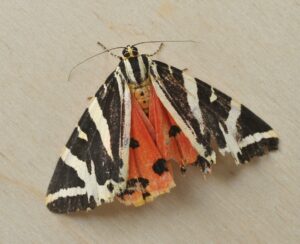

Jersey Tiger 2
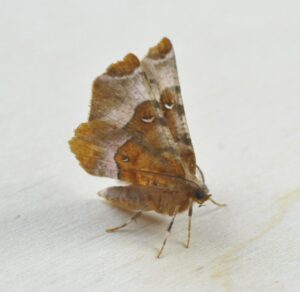
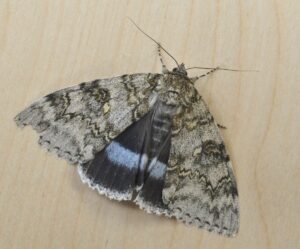
Purple Thorn
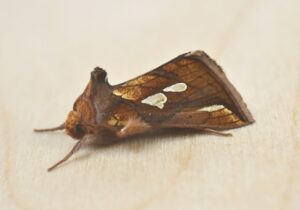
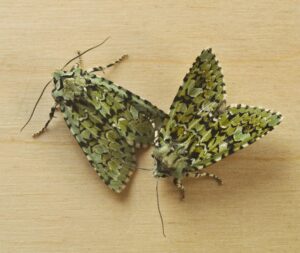
Gold Spot





SPRING to SUMMER 2025
Birds


Insects

Dragonflies


Clouds



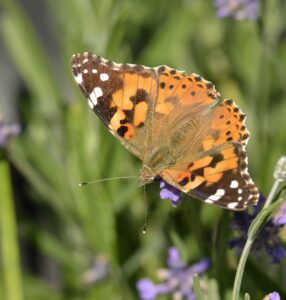
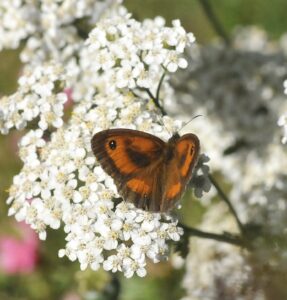
Butterflies



WINTER to SPRING 2025
Well winter was a quiet spell that’s for sure, hardly any reports on winter gulls or sea bird movements. The garden feeders were visited by the local birds but not Brambling, Siskin or indeed any great sign of wintering thrushes. The hope for spring and some new life was much wanted and hoped for.
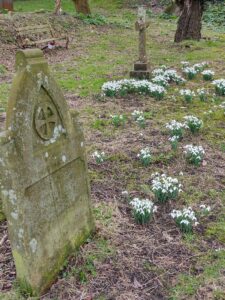
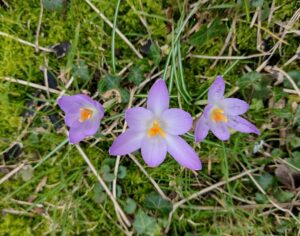
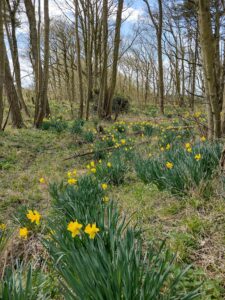
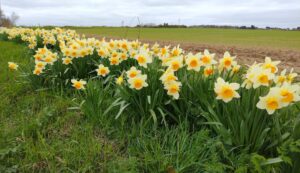
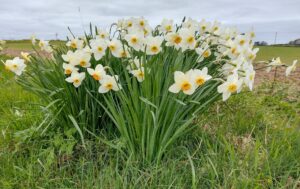
Finally in February signs of spring emerging began to show. Snowdrops were all over the place and lovely to see, the combination of snowdrops and primroses around the churchyard makes a lovely setting and more noticeable than previous years were clumps of crocuses. Daffodils were forming the flower heads and it wouldn’t be long before they brightened the lanes.

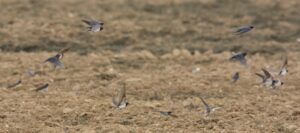
By the end of February there were a few reports along the coast of Stonechat, so we kept an eye out on the lanes and clifftops. In the field south of the quarry we had been noticing a small group of around 15 Golden Plover, frequently they would take flight and fly around and around the field calling before settling down in the field, another day and 50+ Golden Plover took to the air but most of the group headed inland and didn’t return. A few days later and passing the same field we were amazed to witness 400 plus Golden Plover take to the air and circle the sky again and again, I don’t think I’ve seen so many plover in one group before, like a murmuration of starlings twisting left and right, up and down, as they turned to show their underside it appeared a clean white colour only for it to turn a golden/yellow brown as they turned to show their upperparts, what a stunning sight to see and typically no camera to hand, but what a show. The next day they were all gone.


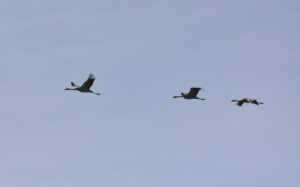
At the beginning of March Buzzards and Red Kites began to move when the weather was good, I picked up a pair of Raven over Plantation Wood heading west and on the 8th whilst walking down the lanes we picked out a distant pair of Common Cranes heading over, taking advantage of the good weather for a trip to the coast.
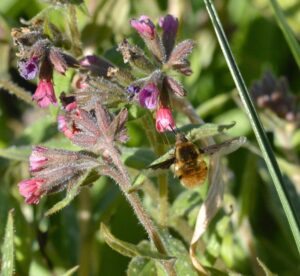
April started off lovely, the bees were buzzing around the early flowering plants in the garden, Dark-edged Bee-flies appeared to be numerous or the same few keep visiting every day?

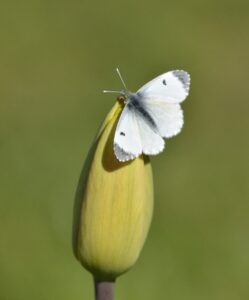
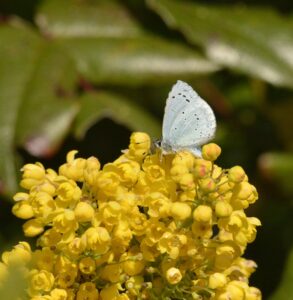
Sarah found this beautiful Orange Tip butterfly resting up on a plant, the male has the characteristic bright orange tips on the upperwing, the female has a black edging and no orange, but look at the pattern on the underwing of this species. In the image below you can see the black edging and black spot of the female Orange Tip, the male would be bright orange above and below on the wing tip.

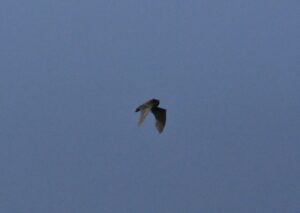
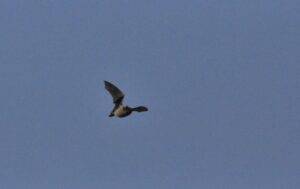


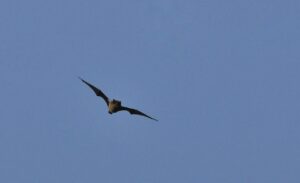
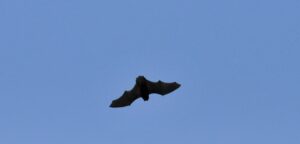
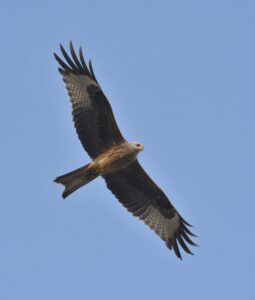
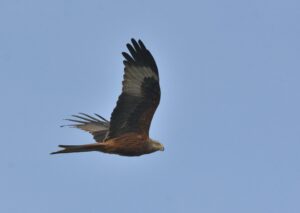
Whenever a raptor heads over I always have to pause and view them, so when 4 Red Kites flew around the houses very low I just had to take it all in. One bird, probably the older bird seemed to be intent on seeing off what looked like a younger bird, back and forth they chased, but whilst watching those two you were unaware another was directly overhead, I didn’t know where to point the camera first!




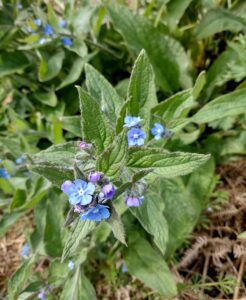
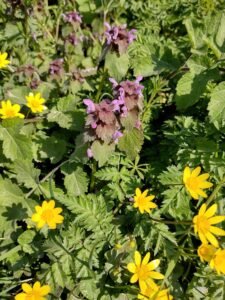
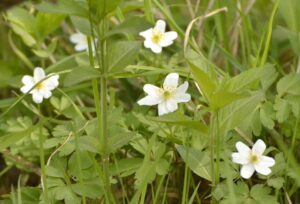
This Green Alkanet plant and its bright blue flowers are seen in plenty of areas around.
October – December 2024
End of another Year
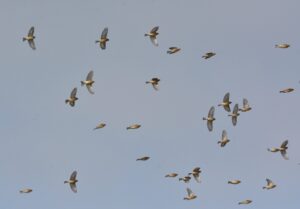
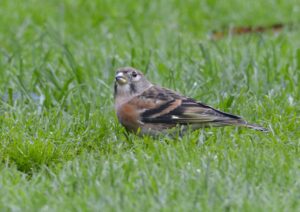

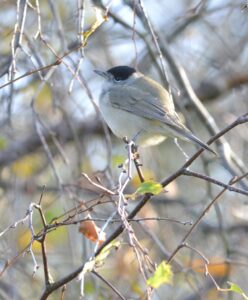
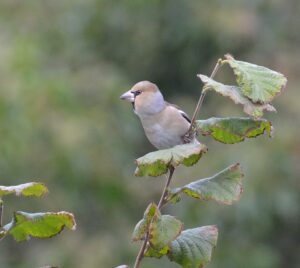
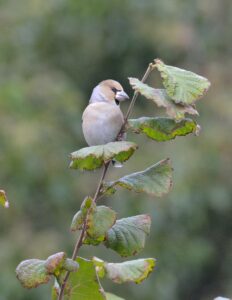
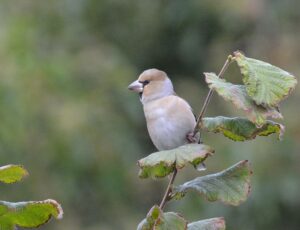
Male


Female
July – September 2024
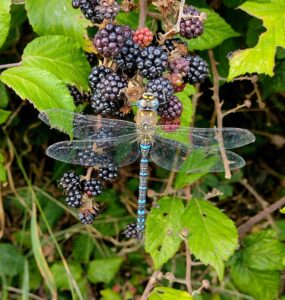
That’s really what it has been like, just one decent month which began on the 28th August. The first half of July was a washout and didn’t break till the second half when we actually began to experience something like a summer month ! Entering August the spell continued but then started to drift back to worse weather, September was by far the more productive but let’s start with the 28th of August.
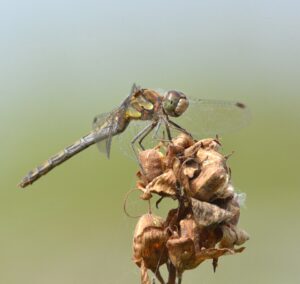



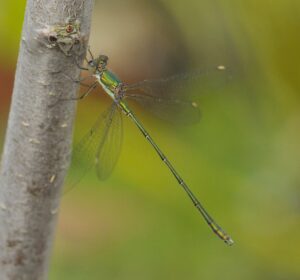
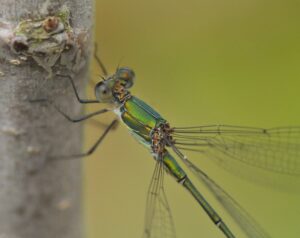
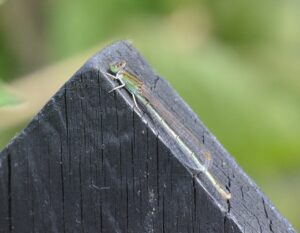
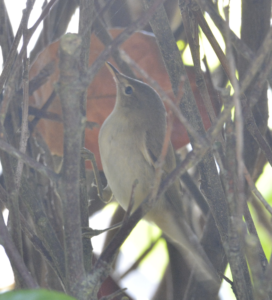
The final entry for August was this delicate ‘Willow Emerald’ damselfly. I am lucky that I get to see these in the garden every year, normally two in tandem flying around so I was quick to photograph this lone one resting on the gate. I saw my first Willow Emerald in Suffolk back in 2011, apparently they were first recorded in numbers in East Anglia in 2009 and have since expanded further north, a beautifully coloured little damselfly.




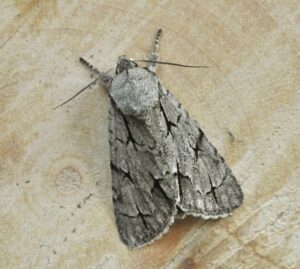
June 2024
June was a quiet month with mainly garden watching and hoping for decent weather, the end of the month finally lived up to something closer to summer and finally started to see, albeit just a few, butterflies. Younger birds were starting to visit the garden feeders, and the adult birds taking advantage of refuelling when possible.
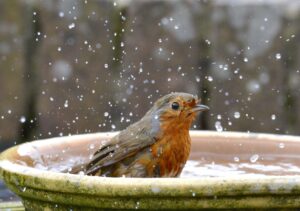
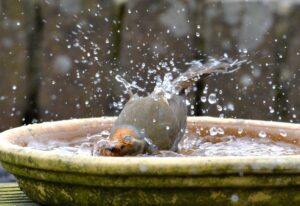
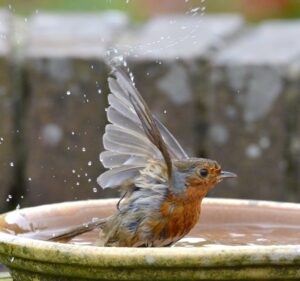
One of the local Robins would daily take a bath to keep its feathers in tip top condition, any other bird that wanted a drink would have to wait. As yet I haven’t seen any young robins, with the pair of birds visiting together they don’t look like they’re nesting yet.
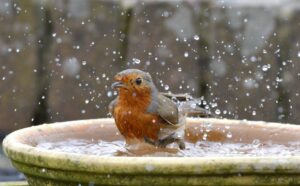
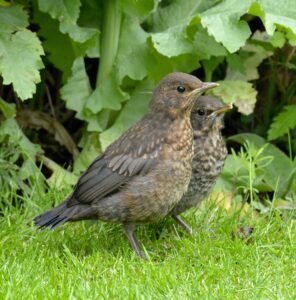
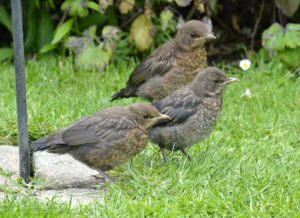
The Blackbirds on the other hand are on their 3rd or 4th brood already and we have been getting 4 youngsters investigating around the garden, and making a racket when a parent enters the garden signalling a chance to be fed.

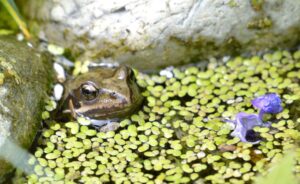
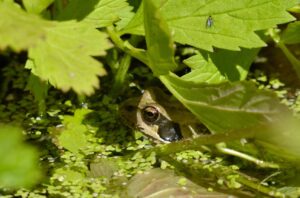
We were happy to find our first frog in our little garden pond, it seemed happy to stay as it has been seen over the space of a few weeks and also has been heard croaking during the evenings which is great to hear. It does like to keep hidden but will give itself away from time to time.
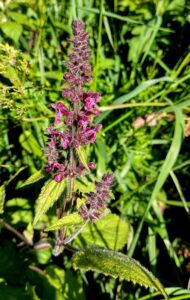
On a morning walk down the lanes with the dogs Sarah and I came across a decent sized spread of these lovely pink/purple flowers, I took a couple of photos to hopefully identify once home, and a quick search came up with success, Hedge Woundwort.
Apparently this plant has a long history of use in herbalism and has been used for cuts and healing wounds for hundreds of years.

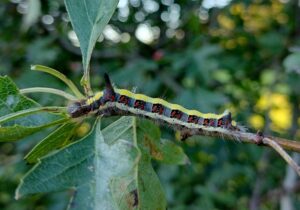
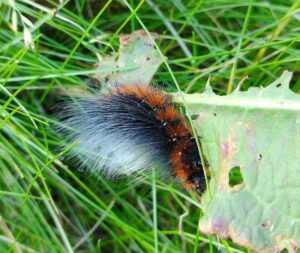
Although I haven’t been moth trapping this year, we came across this very long haired caterpillar on a grassy verge. By far the hairiest caterpillar I have ever seen and one I had not come across before, the long hairs along the back were an inch long at least. It turned out to be a Tiger Moth caterpillar, the adult is stunning and one I have seen quite a few times in Trimingham but this was a first in this form.
May 2024
A few bits and bobs for May but a quiet month on the whole here, no doubt disruption being caused by cooler temperatures, rain and wind. Can’t say I’m seeing a lot of butterflies in the garden, and mothing just hasn’t got going this year.
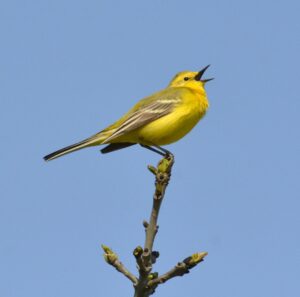
I did manage to get some pop of colour one morning as we were walking the dogs down the lanes, graced on most walks by a confiding Yellowhammer, this was to be no exception until Sarah said Yellow Wagtail ! I’ve only seen one previous Yellow Wagtail actually grounded in Trimingham in a ploughed field, rather than the usual flyovers from the garden or clifftop, this one was along the hedgerow and just feet away…..obviously no camera so we just admired this beauty, but I had to return with the camera once we’d gotten home and hope it was still present. And as per expected on arrival back down the lane it was nowhere to be seen, but the singing Yellowhammer made an appearance.

My luck was in when I heard and saw a Yellow Wagtail flitting over the field back toward where we had watched it, landing on the footpath sign and then a small tree, it decided to hang around for a few photos before heading back over the field from where it came not to be seen anymore. Luckily the clear blue skies and sun made this stunner stand out all the more.


I was pleased that I was finally starting to see some more Swifts flying over, this was especially true if a weather front bringing rain was approaching, the impending rain must lift the insects which in turn brings in the swifts to feed, most seemed to be younger birds showing a lot more white on the throat and forehead.
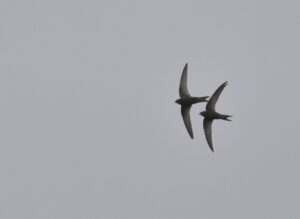
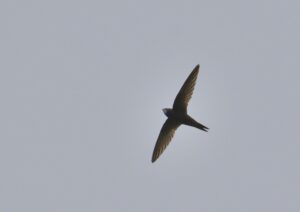
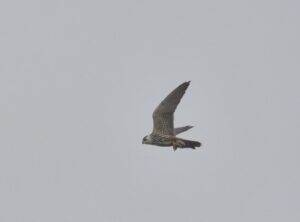
And wherever there are numbers of Swifts and the likes of Swallows and Martins, then there is the chance of seeing a Hobby. These falcons are quick and agile enough to be able to take one of these birds, remarkable when you see how quick the swifts can move through the air. Here you can see the streaked body and red thighs/vent feathering.

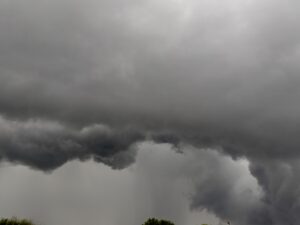
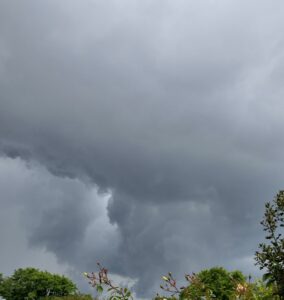
And on this occasion the storms did arrive with plenty of lightning and thunder.

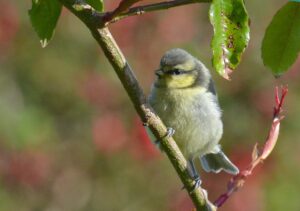
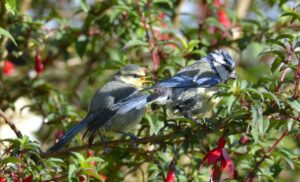
Plenty of young birds have been visiting the garden to feed alongside the parents. House Sparrow, Blue Tits, Goldfinch and Starlings.
April 2024
Well April was a cold wet and windy month, we had a couple of decent days where I started to see things on the move but then it would change to cold winds and nothing would be seen. On a few days the rain fell as hail ! During the first week I was able to spot a single Wheatear and a Hooded Crow fly past the house, but it wasn’t until the 22nd that the weather cleared and birds began to move, I managed to glimpse 3 Shelduck, 3 Whimbrel and a pair of Little Egrets from the garden before the weather once again took a change.

Little Egrets
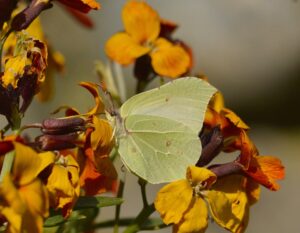
On the 28th I saw my first Swifts of 2024 fly over the house, a group of 3 together and then a single bird later on that day, Swallows were well up into double figures passing over along with House Martins and just a few Sand Martins. But as of now, five days into May, I haven’t seen any more Swifts pass over whatsoever ! Whitethroats are showing in numbers along the lanes and a few Blackcaps are calling too. A single Brimstone butterfly graced the garden near the end of the month, usually they’re one of the first spring butterflies to see but not this year.
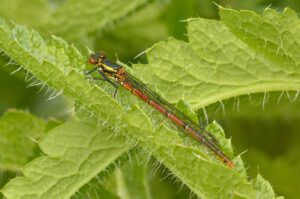
I shall be keeping an eye on our new small pond in the garden, a single Large Red Damselfly was not too far away from it on the 29th, hopefully some dragonflies will be interested enough to visit.
Siskins
April 2024
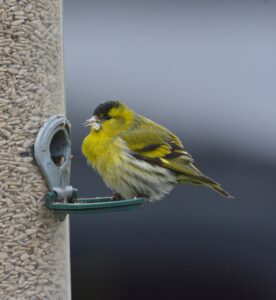
If you have bird feeders in your garden then recently you may have been lucky enough to have had these little yellow/green beauties visit. Since moving to Trimingham this has been the most Siskins that I have had visit the garden, at times I would have a single bird feeding but on a couple of occasions I had seven birds all on the feeders !

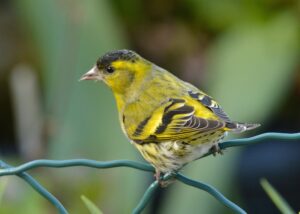

Aside from the birds that stopped off in the garden, I also heard plenty of groups of Siskins heading over the garden, heading south.
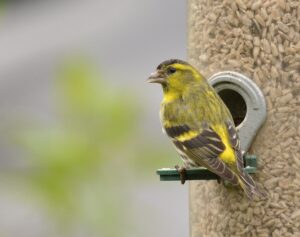
The males are very distinguishable with their black caps.
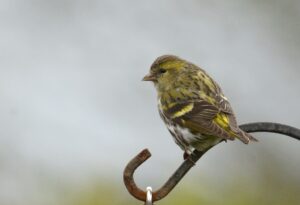

This individual above showed some very bright yellow/gold plumage around the face, the brightest adult male I have ever seen.

March 2024
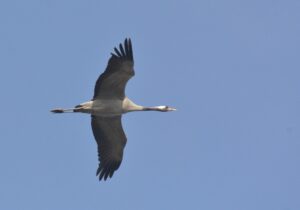
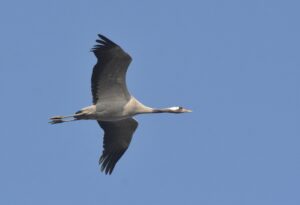
Spring is here at last and we have been graced with quite a few sunny days lately which is most welcome. And as the weather improved it was only time before the Common Cranes made a journey to the coast from the broads “for a day out”. There were a group of 3 that didn’t quite venture over far enough my way but before that a single bird was reported flying east at Cley, I eagerly awaited in the hope it would track the coastline and come my way, reports started to come through from Sheringham and Cromer, sometimes from here they cut inland and miss out the Trimingham coast, but a report from Overstrand got me checking the distant skies camera in hand. A short time thereafter it came into view following the cliff line, it majestically flew past us, almost directly overhead, what a lovely sight to see.
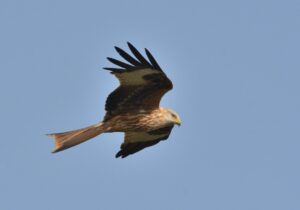
Also taking advantage of the warmer sunnier days were the raptors. Common Buzzards and Red Kites passed in good numbers all heading south.
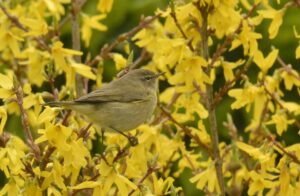
It must be spring because the Chiffchaffs are singing! It seems like we’ve had a good arrival of Chiffchaffs this spring, I have heard at least 4 in different territories around the house and the church, I sometimes see one overwintering but I can’t recall seeing one during the winter so it’s nice to get a good fall of them. One graced the garden and the neighbours, busily looking for insects among the shrubs.


A New Garden Tick for 2024
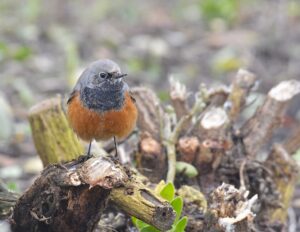
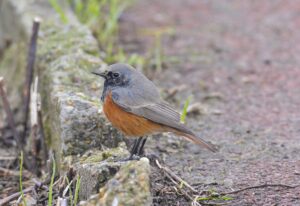
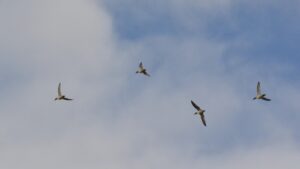
A very quiet January and February, until the end of Feb that is. I have not been able to get out a lot and the strong winds and weather didn’t help to see birds anyway. A Black Redstart appeared in the garden briefly on the 16th Jan. What was a nice sight was a male Bullfinch along the lanes, absolutely stunning birds and also up to 2 males were seen on the clifftop area , one of which I caught sight of after being informed of them. During February we saw a couple of Stonechat along the lane, there seemed to be a few reported along the coastline around the same time. On the 17th Feb I looked up over the garden and saw a group of 4 ducks flying in from the coast, I grabbed the camera as they drifted closer in the strong winds and was able to get some images, happily zooming in on the images I realised they were all Pintail….a new garden tick !
I had seen a few pintail whilst sea watching here already, but great to get them over the garden.
And lastly on Saturday 24th Feb I read a message about a White Tailed Eagle heading towards Happisburgh, a strong possibility it could track the coastline and head our way, so I had my eyes glued to the skies and sure enough a short time after I heard a Buzzard calling from above, and looking up I saw it swoop down at a much larger bird…yes the White tailed eagle indeed. It proceeded to head towards Sidestrand and was seen circling over the school wood and sea before heading off inland, a great sight even if it was all too brief.
December 2023
Review & a Spectacular End to the Year
Looking back over the year, and mostly it was a quiet one, the spring did not match up to previous years and the autumn seemed to pass by without stopping! The weather played a big part in what happened, and seemingly getting worse, a lot of rain and continual winds. There are on the other hand regular events through the year I look forward to and thankfully continue to repeat themselves.

Signs of change ahead, when the snowdrops appear through the churchyard and the woods, and Celandines start to line the roadside verges. I listen for the first singing Chiffchaff and know birds are on the move and pairing up. There are still winter moths to be had and a change in species moving forward.
On a sunny day in spring there’s the chance of a Hummingbird Hawkmoth, that may have overwintered here, I look forward to watching these energetic moths dart around the garden.
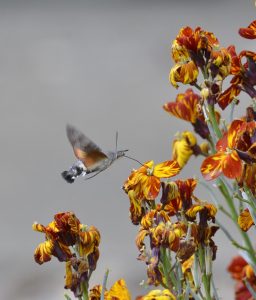
As birds arrive the geese are now long gone, the chance of Marsh Harrier moving through, Wheatears heading to their nesting grounds and waiting for that first Martin and Swallow to pass over. Through March time to start looking for the patch of Early Purple Orchids down the lane. I watched hundreds of Finches and Starlings flying over, but best of all an Alpine Swift from the back garden, a sight which happily appears to be repeating itself. By now I had seen Sand and House Martins and Swallows were increasing, lovely to see them back in our skies.
April brought the Common Swifts and returning Common Whitethroats. The weather had a detrimental effect on the moth trapping during the spring, with numbers so much lower than previously and it would have an effect on numbers throughout the year. But the moths I did start to trap were quality over quantity with the start of a haul of new species for myself and the garden, a Straw Dot got it underway.
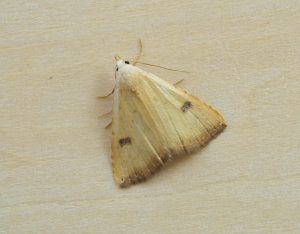
Straw Dot
Listening during May for Cuckoos moving through, and a Bee-eater was heard over the garden on the 24th !
Summer months spent watching the skies for birds. But if it wasn’t for the spells that I could moth it seemed little activity was happening. 2 new species kept things ticking over.

Sandy Carpet
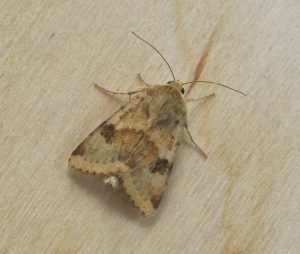
Marbled Clover
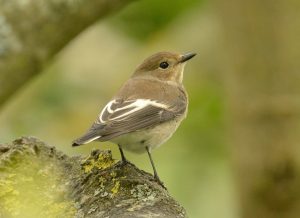
I look forward to the arrival of Pied Flycatchers, since moving to the village I have been graced with watching these every year.

The first major mothing highlight of the year came in the form of not one but two Dark Crimson Underwings, and the first recorded specimen for this grid area of norfolk, what absolute stunners and new species for me.

Although just as uncommon here this Tawny Barred Angle was a welcome new species but just couldn’t compare to the Crimson !

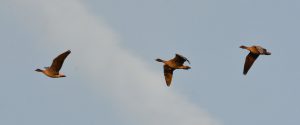
On the 14th September the returning Pink Footed Geese graced our skies again, it is a glorious sound to hear once again passing overhead, no matter where we are the sound of the geese has us stopping to look every time.
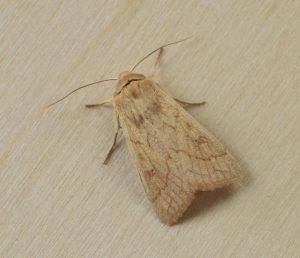
The Delicate
Another new species to brighten up the trap.
My next yearly event arrives as the swarms of newly emerged flies take to the air and the skies are full of Mediterranean Gulls hawking them.
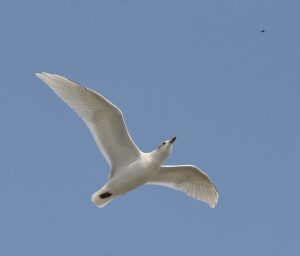
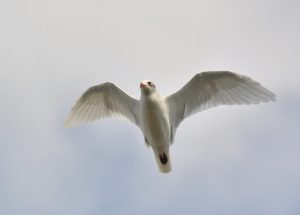
October is a month that could bring in something new or wow you with numbers, this month it did both !

Great White Egret is a bird that I have seen on the patch a few times but have never recorded on for the garden list, that is until now and just like buses I get 3 on different days! October is a month of movement and there had been a few reports of GWE passing along the coast or out over the sea, so when a report of 5 birds heading my way how could I not prepare. And whether this bird was one of the 5 or a different bird, it graced itself right past the house. I could now cross it off the list.
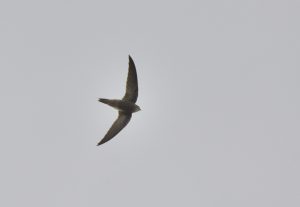
At this time of year and heading into November, sightings of Swift are more likely to be Pallid Swifts, and for the last couple of years I have had the joy of watching them from the garden.
I reported a single bird past the house on the 21st, it moved along the coast and set itself up in West Runton for most of the day, a couple of birds were reported thereafter and I was able to get a couple of pics feeding around the house and church.

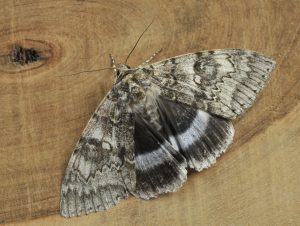
Mothing turned up an unexpected and very much wanted new species for me, I couldn’t believe my eyes when approaching the trap this large moth slightly opened its wings to reveal the pale blue lines !! instantly I knew what it was, a Clifden Nonpareil, and instantly I went into panic mode hoping it wouldn’t fly off, but as shown here it stunned me once again. Another name for this moth is a Blue Underwing.
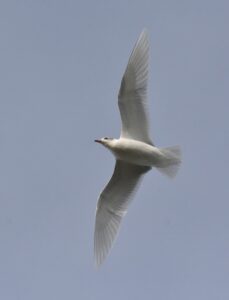
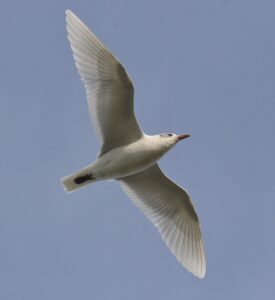
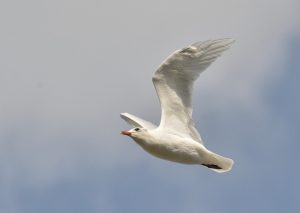
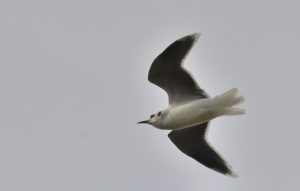
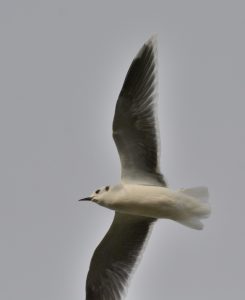
My second new garden bird species of the year also came in October, whilst watching a large group of Black Headed Gulls and a couple of Med Gulls feeding overhead on insects, two smaller gulls darting around the sky feeding among them got my attention and moments later I was looking at 2 Little Gulls. I’d only previously watched these passing over the sea in rough conditions so at least 2 (possibly a 3rd bird) overhead, sometimes too close and fast to photograph, was a joy.
Heading into November a truly glorious event started, hundreds of thrushes heading in from over the sea to make landfall here. Blackbirds, Redwing, Fieldfare and Song thrush and group after group of Starling flying by. Migration is a wonder to see.
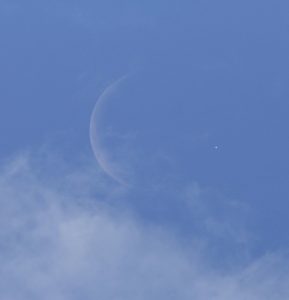
Looking to the skies but not for birds, during November Venus could be easily seen shining brightly next to the moon.
On the 18th a solitary male Goosander headed past the house inland, probably blown in from the sea and looking for inland water to rest, thankfully I was in the right place to watch it pass and put itself on the garden list.
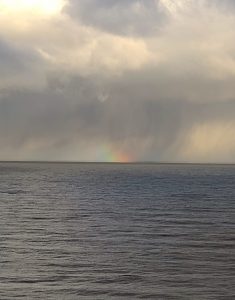
Distant rains
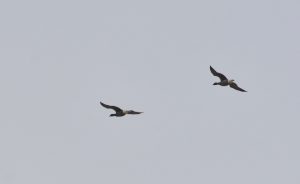
Whilst watching a flock of 16 Barnacle geese from the garden, battling the strong winds over the clifftops before heading lower out to sea. It was only when checking my photographs that a straggling pair behind the main group were actually Brent Geese ! another new garden tick !!
And so the year draws to an end, the skies are quiet due to the strong winds keeping birds tucked down. My garden list now climbs to 124 bird species and I recorded 183 Macro species of moth this year.
There was one more spectacular event that I had never heard of let alone seen before.
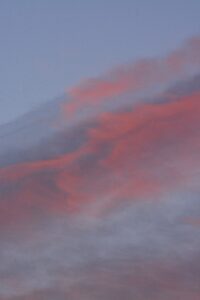
I had heard from a friend along the coast about Nacreous Clouds displaying in the skies? I had never heard of Nacreous Clouds before and couldn’t really tell from his attached photograph, so I headed out into the garden and low and behold an array of colour swept the sky. It was absolutely stunning to see and a privilege to behold. I had to research on what and why was so special about them, which I will add below the images.



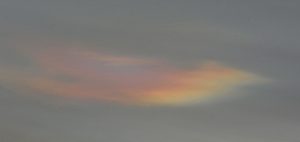

What are Nacreous clouds?
Nacreous clouds are rare and very high clouds, known mainly for the coloured light they reflect after sunset and before sunrise. The colours are reminiscent of the colours which reflect from a thin layer of oil on top of water, an effect known as iridescence.
Because of the very low temperatures required, nacreous clouds are usually only visible from the UK when the cold air which circulates around polar regions in the stratosphere (known as the stratospheric polar vortex) is displaced and hovers temporarily over the UK.
Latin: no direct Latin translation, but the old English word “Nacre” means “mother of Pearl”
A lovely colourful finish to the year.
Happy New Year to all.
November 2023
Winter is upon us and a definite change in the weather and temperature. On the first day of the month a huge arrival of thrushes were recorded along the coast, most groups coming in off the sea were Blackbirds and Redwings, but I also watched Fieldfare, Song thrush and Starlings. It’s a great sight watching groups of thrushes heading across the sea, some venture further inland but a lot of birds, exhausted by the journey, head for the nearest cover to rest or feed.
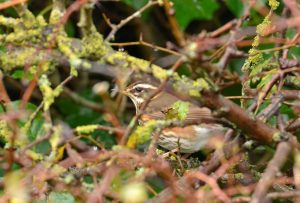
This Redwing headed straight into the bushes for cover and rest.
The Blackbirds seemed the most numerous, mostly continental type birds, with a all dark/browny bill and some showing a browner contrast on the wings with almost a faint scalloping effect on the feathering, usually the bright bill coloured residents would see off the all dark bill birds out of the garden.
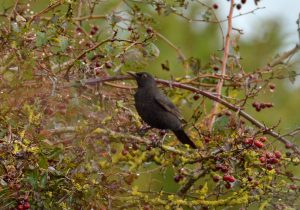

This small group of Fieldfare stopped in the nearby paddock to look for grubs/worms to refuel before moving on.

Song thrushes usually keep themselves hidden in the undergrowth looking for snails and grubs, so a pair of newly arrived, and showy birds from over the sea was a nice sight.

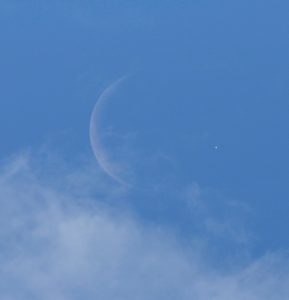
On one morning the moon was still visible in the sky and was also accompanied by a very bright Venus ( no mistaking Venus right of the moon ).
Mid month Sarah and I flushed a Woodcock from the cliffs whilst walking the dogs, either the same bird or another was flushed from a clifftop wood too, you normally see woodcock when you’ve almost trodden on it! The camouflage is so good amongst the leaf litter they tend to stay still and rely on not being seen.
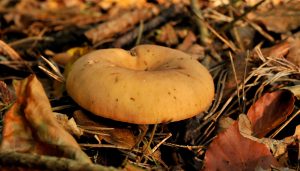
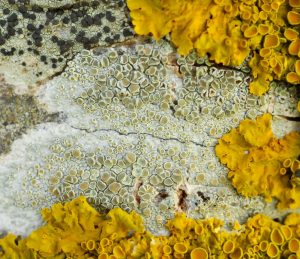
At this time of year the fungi are abundant, the patterns, colours and shapes are so varied, and some so tiny you easily miss them.
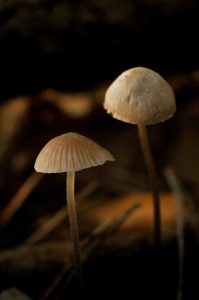
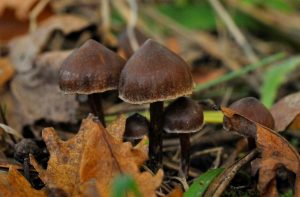
The colours on some are so bright.
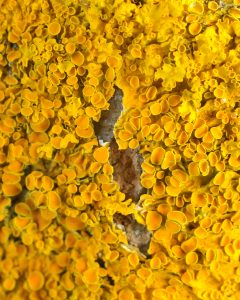
Looking beyond the vivid golden fungi I noticed the black spores were another type alongside the paler cups on a white fungi matting, such minute detail and so intricate.

On the 18th I added a new bird species to the garden list, a male Goosander. Undoubtedly blown off course by the rough seas and strong winds, these birds can also be seen on inland lakes and waterways during the winter as well as being out to sea.
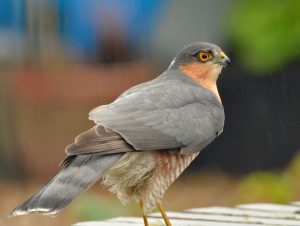
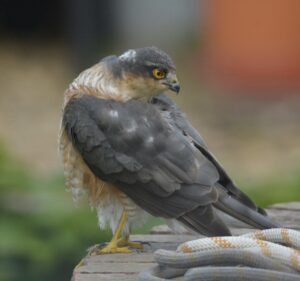
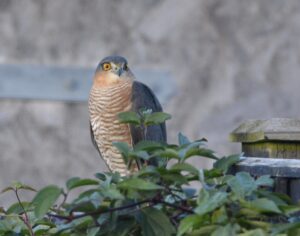
Even in the rain the birds need to feed, especially as the temperature dropped. This male Sparrowhawk was photographed from the kitchen, thankfully the pane wasn’t covered in water droplets. Their eye colour is so striking, and a lovely pink flush to the feathering.

Throughout the whole month I saw flock after flock of Starlings head in off the sea or heading along the coast,


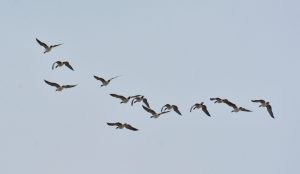
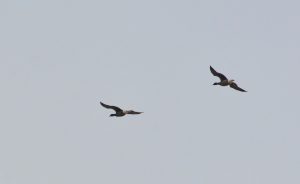
I was lucky to be looking out the back door of the house when I noticed a flock of geese approaching, thankfully I had my camera and binoculars close by as they turned and headed out to sea, not before I had identified them as Barnacle geese, a nice change from the usual Pink footed geese. And as the main group headed out I noticed a straggling pair a short distance behind, thinking they were also Barnacles I clicked off a couple of images, and to my delight when reviewing the photo they turned out to be a pair of Dark bellied Brent Geese!! My 2nd New Garden Tick of the month.
At the end of the month I was starting to see a male Blackcap feeding in the garden, maybe it’ll overwinter?
I only trapped one moth during November, a December Moth, not being able to get the trap out nearly all month due to the weather conditions. I was happy to at least get this new for the year species.

December Moth
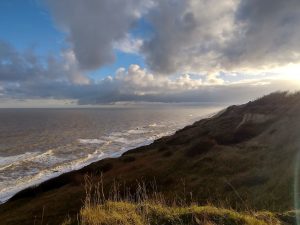
There has been a large number of Waxwings arriving in the UK, a dozen have been seen in Sheringham and single birds over the old radar site and Overstrand.
But as yet I haven’t seen any from the garden or around the patch, so keep your eyes out in the gardens there may be Waxwings visiting you.
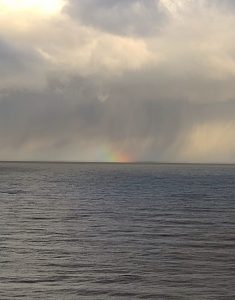
October 2023
October seemed to be the worst, weatherwise, that I can remember for some time. The lack of birds let alone something scarce or rarer was very noticeable. But birds did carry on migrating and the month eventually got going. On the 1st I saw 3 Swallows heading west from the garden, I thought they would be the last but I just got sight of a single bird heading east on the 31st. On the 3rd I spent some time seawatching, there were hundreds of auks on the sea and flying through, most seemed to be Razorbills with a few divers, likely all Red throated. On the 8th a small arrival of thrushes in off the sea happened, Redwings and Fieldfare letting me know autumn was here, a Peregrine over the garden finished the days birding.
With the arrival of thrushes and the weather being suitable for movement, I was able to get the moth trap out for the first time this month. I was surprised to get so many different species, and even more happy with 4 year ticks.

Mallow

Barred Sallow
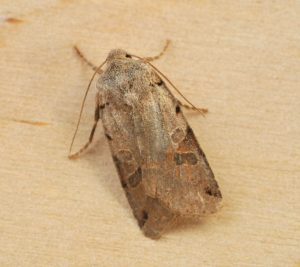
Brown-Spot Pinion
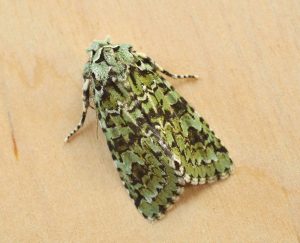
Merveille du Jour
The Merveille du Jour is one I’ve caught before but what a stunner it is and a welcome moth in the trap anytime.
On the 9th whilst Sarah and I were walking the dogs down the lanes, we estimated around 1000 Pink footed geese distantly heading northwest, amazing how far their calls carry and a lovely sound at this time of the year. From the garden that day I saw 4 Red Kites pass southeast together and a single Lapwing and a number of Skylarks moving south too.
The weather was still favourable on the night of the 9th so I once again got the trap out. A nice group of species by morning, I gladly added another 4 species for the year list and two of those were new for the garden with one of those a totally new species never seen before.
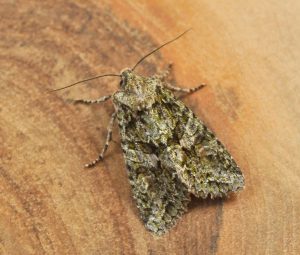
Brindled Green
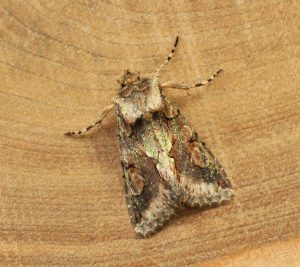
Green-Brindled Crescent
Green moths seemed to be the flavour of the month, but when the light is right on those moths the green colouration can be stunning.

Blairs Shoulder Knot
This was a new species for the garden and a much welcomed addition.
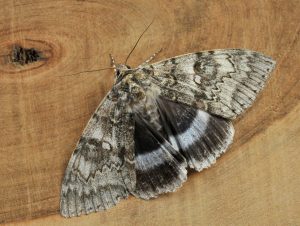
Clifden Nonpareil
And now the show stopper, and what a total surprise when I saw it, I initially thought it was a hawkmoth due to its size but as I approached it it open out its wings to reveal that stunning blue stripe on the underwing and I immediately knew what it was a immediately entered panic mode hoping it wouldn’t fly off! What a stunning new species of moth to get. A rare immigrant, it’s also known as a Blue Underwing. Since 2019 it is now thought to be a resident in some locations in Norfolk, I have only had to wait 6 years, and it could be another 6 before I see one again? hopefully not though.
On the 15th of the month, with slightly rough seas I spend a short time on the cliffs. Noting Razorbill, Curlew,Kittiwake, Common Scoter, Red throated Diver and Gannet, not a huge tally by any means but enjoyable. On the 17th I saw my first Brent Geese of the autumn, 3 birds flying east over the sea.
There had been a few reports of Great White Egrets moving along the coast, this is a species that took a while to see on the patch since moving to Trimingham, and they had all been out to sea or along the coastline, I was still awaiting one as a garden tick though and so when all these reports started coming through of birds heading my way I eagerly waited and watched the skies, but alas they all seemed to cut inland before Trimingham or passed over the sea!
Then on the 19th a report of 5 Great white egrets heading east, surely I stood a chance, but as the minutes ticked away I thought they had surely passed yet again out to sea…..I then caught sight of a large white bird heading along the clifftop, it had to be, and it was. Whether part of the group or a single bird on its own I wasn’t bothered I was watching a GWE heading my way. A few seconds of panic ensued as it disappeared behind the trees before I could get a photo, but then it rose above the trees and passed straight past my garden, another long awaited garden species well and truly ticked off.
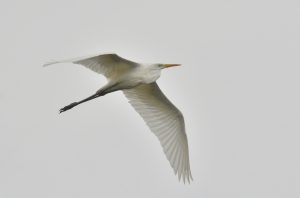


Theres no mistaking those long legs sticking out the back, and the distinctive yellow/orange bill.
And if that wasn’t enough I watched a single bird out to sea from the clifftop. Other sightings were double figures of Redwing heading in, 20+ Wigeon on the sea and more Brent geese moving through. A nice addition was a Caspian gull that passed along the shoreline, a gull that I’d only photographed once before along the front.
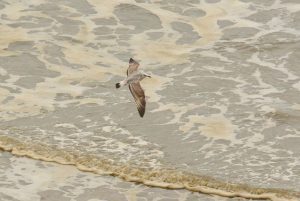
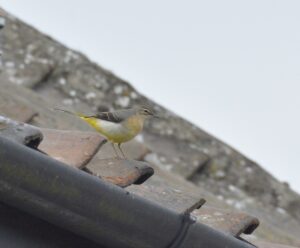
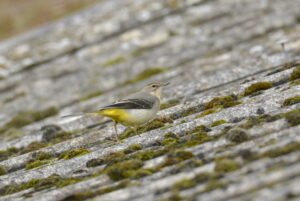
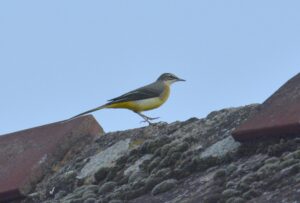
The 19th ended watching a Grey Wagtail flycatching on the church roof.
On the 21st whilst standing at the back door with my morning coffee, I looked up just in time to see a Pallid Swift shoot past the house and disappear off to the west. A fellow birder sighted the bird over Overstrand as it carried on west, it was no doubt the same bird that located itself at West Runton where it was seen and photographed. And just like buses….I watched another (albeit more distant) Great white egret from the back garden!
My last trapping session of October was on the 24th, and with a smaller tally of moths than previously I was still able to bag 3 year ticks and one of those remarkably was another totally new species for me.

Red Line Quaker

Yellow Line Quaker

The Gem
And what a gem of a moth to get. Another immigrant species.
During the final week of the month Sarah and I found a lot of Goldcrests, along the clifftop woods and also down the lanes, a nice pair of Stonechat seemed to of set up around the set-a-side field near Plantation wood.

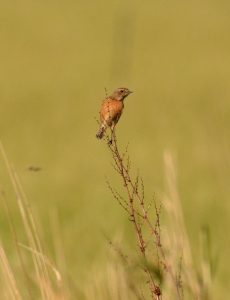
Thrushes continued to come in large numbers, Blackbirds seemed to be everywhere, and I was starting to see a lot more Fieldfares.
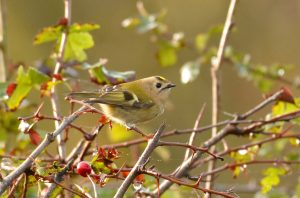
This Goldcrest seemed happy to pose for me.
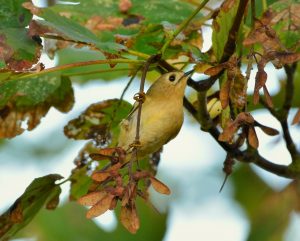

Goldcrests are a lovely little bird and one that is a challenge to photograph as it flits between the sycamore leaves looking for insects.
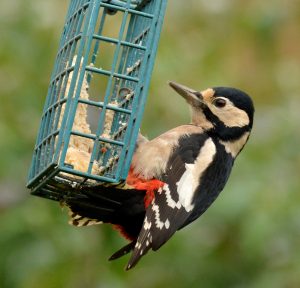
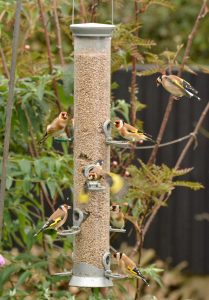
Finally it seemed the birds had returned to the garden, the Goldfinches took over every perch it seemed and a nice sight was the Great Spotted Woodpecker that has earmarked my suet feeder.
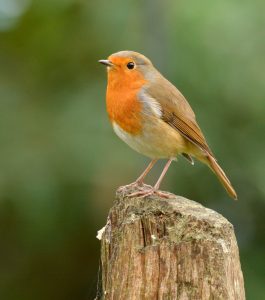
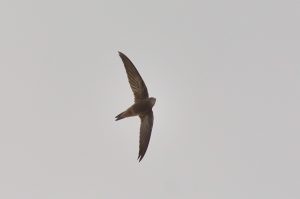
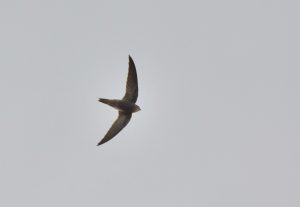
On the 28th I was lucky to look up from the garden to see a Swift’ flying towards the house, I hurried indoors to get the camera, frustratingly I couldn’t see the swift anywhere, knowing this was bound to be a Pallid Swift , most swifts at this time of year going into November are more than likely a Pallid. I kept scanning each side of the house and then I picked it up again just to the side of the church but unfortunately I was looking directly into the sun and I was only able to gain some record shots as it passed more towards the house. A real delight seeing these, and seemingly getting regular every year.

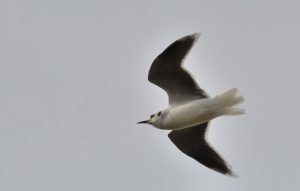
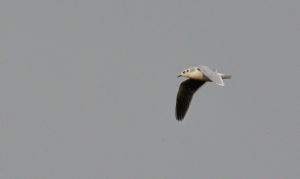
The last highlight of the month came in the form of Gulls. On the 30th I noticed a large group of Black headed Gulls feeding around the house on insects, I picked out a single Med Gull but then my attention as drawn to a smaller sized gull zipping around in a more frantic feeding manner than the black headed’s, I quickly went into the house to grab the camera whilst calling out to Sarah Little Gull’ Little Gull’. The group of gulls continued to feed around the house and clifftop before moving where the airborne insects drifted, every now and again they would return overhead and I had at least 3 different Little Gulls. What a great spectacle to watch and a NEW Garden Tick.. which now brings my Trimingham garden list to 122 species.

September 2023
September seemed to pass so quickly and there wasn’t a lot to be seen really, a couple of regular yearly encounters and although the weather was not at it’s best I managed to get the trap out on a handful of occasions and record some new year ticks and a brand new moth for me. The month started off with Swallows still being seen, a few Hobbies passed over the house heading south, but by far the most numerous bird on the move were Siskins, I watched small groups pass over from the garden every day for at least a week. What I did notice was the lack of garden birds ! the garden feeders only attracted a few birds and nothing of the variety that had been visiting during previous months, perhaps a lot had moved on ?
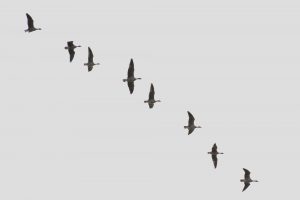
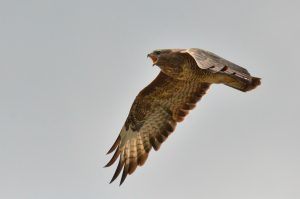
On the 14th the unmistakable noise of returning Pink Feet Geese, what a joy to hear and see flying over again, and how quick the time had passed since they graced the skies during autumn. I counted around 40 or so heading southeast to feed. Also that day a movement of Buzzards were drifting high south/southeast, the next day I watched 20 plus pass over. The local pair were very vocal with so many passing over it seemed.
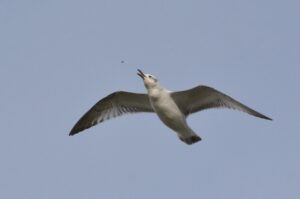
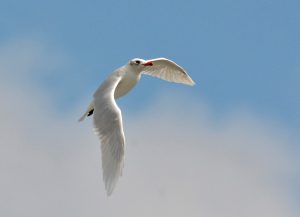
Aside from the returning geese, a regular event unfolded over the space of a week or so that I love to watch from the garden, it seemed that this is the time for flies/insects to take to the air which in turn brings in Mediterranean Gulls, mixed in with a few black headed gulls and maybe starlings and jackdaws, but it is the Med Gulls that I enjoy trying to photograph catching the flies.

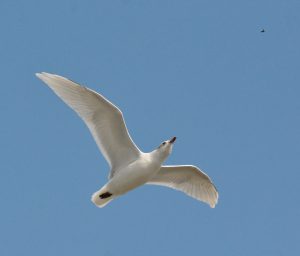
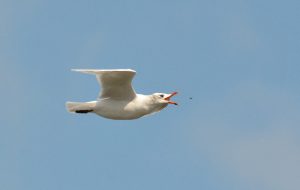
It’s a challenge trying to track the gulls as they swoop over the garden catching the flies, the flies are so small you don’t actually see them through the camera, I try to stay on a particular bird, you can usually see when it has gotten sight of something as the postures change and hope it puts on a show before going out of view, when the images are reviewed it’s then that you see the flies in the same frame.

On the 25th I watched 5 House Martins feeding over the village, a Red Kite passed over with Buzzards and a couple of Chiffchaffs were heard singing still. The next day on the 26th whilst walking the dogs down the lane we heard the distant calling of the Pink feets heading our way, we gladly stopped the walk to watch the groups pass over and we estimated 500+ geese pass us, what a sight and sound to see.
I added 11 moth species to the year list in September. One of those being a brand new species for me, called the Delicate.

Delicate

Black Rustic
Throughout the month whenever I put the trap out I would get a lot of these lovely Black Rustics, probably the most I’ve seen here.
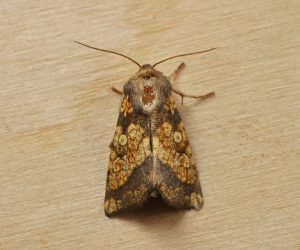
Frosted Orange
A great name and a lovely looking moth.
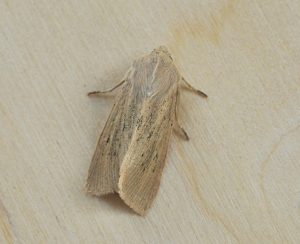
Large Wainscot
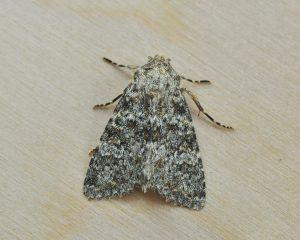
Large Ranunculus
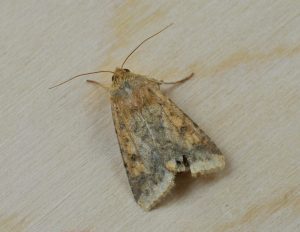
Scarce Bordered Straw
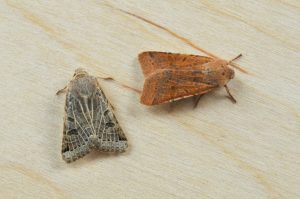
Lunar Underwing (left) & Beaded Chestnut
I was obviously delighted with getting the Delicate as a new species but close second was getting a immaculate conditioned Convolvulus Hawkmoth, I had trapped one at the start of the month but it was in a very worn state so this was a real joy to get.
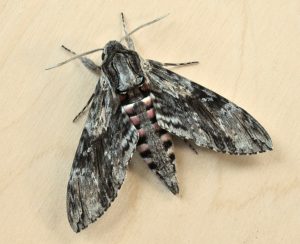
What a stunning and very large moth.
August 2023
The month turned out to be a productive one with a regular returning bird species and some new never seen moth species, and common bits to fill in the spaces!
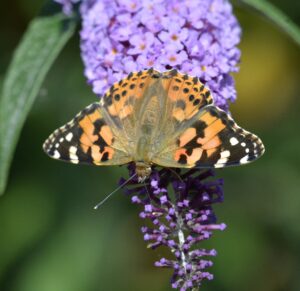
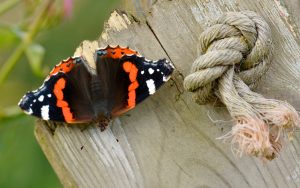
The weather was a mixed bag throughout the month, when it was sunny the butterfly numbers certainly increased, at first the most numerous were Peacocks then overtaken by Red Admirals with finally Small Tortoiseshells increasing at the end of the month.
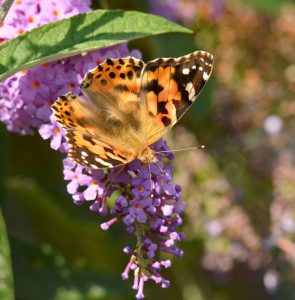
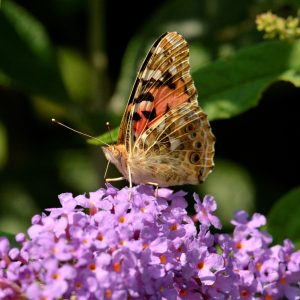
Painted Lady
I had just one Painted Lady during the month, also just a single Small Copper which didn’t hang about.
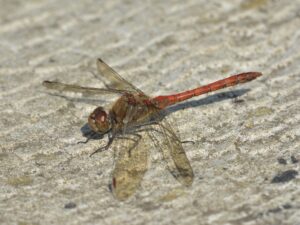
This Common Darter dragonfly happily sunned itself for ages on the same perch, even letting me get within touching distance almost.


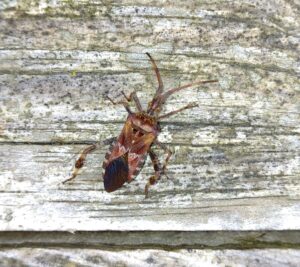
This Cinnamon Bug was crawling over lavender , I think the black markings resemble a face of sorts.
On the 10th I heard Bee-eaters over the house, looking up I counted 3 birds, I didn’t see any more sightings. A long awaited new garden tick put in a brief appearance on the 11th, a Lesser Whitethroat which was probably moving south at the time. Swifts were getting scarce unfortunately and usually just a single bird but a group of 3 over the house was a welcome sight despite them starting to vacate our skies.
Peregrine and Red Kite were seen from the garden and a pair of Great White Egrets flew past us when walking along the clifftop path one morning.
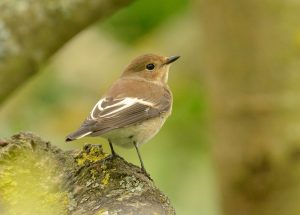
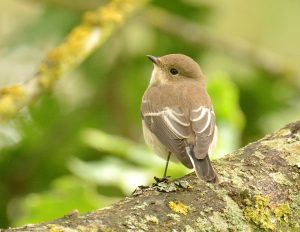
On the 18th the regular return of Pied Flycatchers to the village, I love to see these birds pass through heading south, sometimes just for the day others maybe staying for a few to feed up before heading off. Luckily I found 3 birds all together.


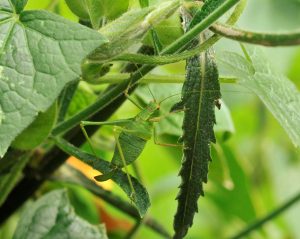
This Speckled Bush Cricket was doing a fine job of hiding amongst the plants.

I saw Hobbies on a few days nearing the months end on 2 occasions, possibly the same bird?, I would see it dart over the house towards the clifftops, shooting through the gap in the trees to try and flush up some prey, it certainly scared a group of Goldfinches as it flew through the gap, but it didn’t get any of them. On the last day of the month I saw 2 Hobbies slowly drifting over the house together, heading southeast whilst looking for insects to feed on whilst on the wing. The same day saw a decent movement of Common Buzzards too, I witnessed a few groups circling very high, one group numbering 6 birds but in total they were into double figures.
Now we move onto moths and what a month that turned out to be. I had a few new species for me and some welcome additions to the year list. Here are the ones that caused the excitement.

Tawny Barred Angle
Not as rare as the next two but a very welcome first of this species.

Marbled Clover
This was a first for this species for me, its stronghold is primarily in the Brecks, but numbers do reach the North Norfolk coast, albeit not too common along here.

Dark Crimson Underwing
This is the moth that stole the limelight for August, and what a stunner, this is another first for me and I am happy to say the first record for this Hectad. This is a rare migrant and a recent resident but where that is I’m not aware of. And if this wasn’t enough of a wow moment…I had another specimen the very next day! (From my photographs you could tell from the marking and loss of hair it wasn’t the same individual)
Year additions were decent and a fair amount too, here’s some of the best.
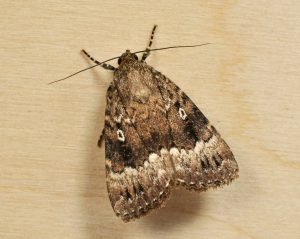
Copper Underwing
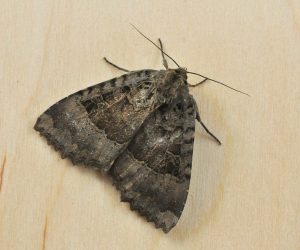
Old Lady

Garden Tiger
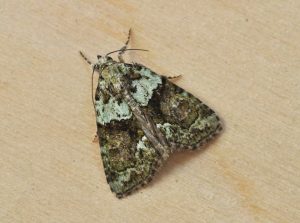
Tree-Lichen Beauty
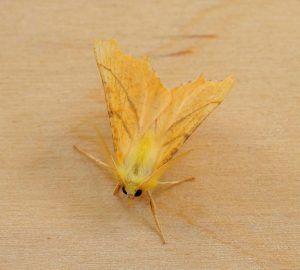
Canary Shouldered Thorn
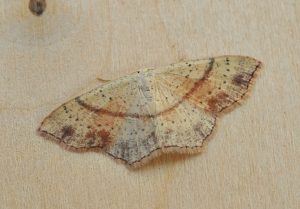
Maidens Blush
July 2023
A month definitely affected by the weather, although some sunshine was welcomed it didn’t feel like a normal July. I did manage to get the moth trap out on a number of occasions but it always seemed sporadic as one night it would be ideal and then the next wet or too windy! But I bagged a lot of species for the year list. The hedgeline along Church road looks like it is going to have a bumper crop of blackberries, the blossom attracted so many bees it was buzzing as you walked past. Within a week or so the numbers of Gatekeeper butterflies had risen a lot, and a few dragonfly patrolled the lane.
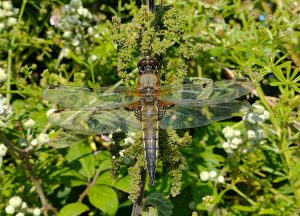
This Four Spotted Chaser was sunning itself early one morning, happy to have its photo taken.
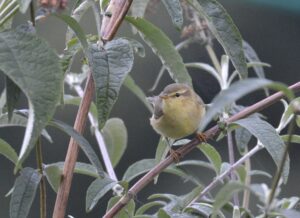
Since spring started it seems the Chiffchaffs haven’t stopped singing, and this tatty looking one was seen searching for insects in the garden.

Whenever the skies looked ominous and like it was going to rain or produce a storm we would see an increase of Swifts ahead of the clouds building up, it was usually a good sign rain was near, we watched large numbers pass over feeding, too many to count but in the hundreds. Butterfly numbers in the garden seemed to slowly increase, the odd Comma and Gatekeeper turning up.

Comma
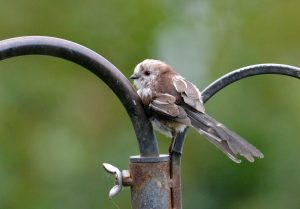
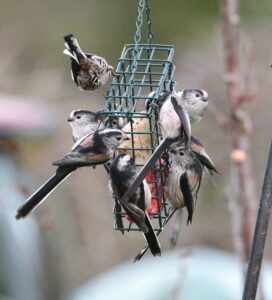
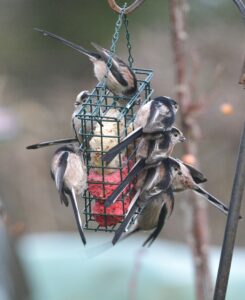
Lovely to see what birds had done well raising young, especially the Long Tailed Tits, most days would see a couple of birds, but on one day I couldn’t count how many were in this single group, possibly nearer to twenty birds, and presumably adult birds in there too.

Another species that seems to have done well are the Goldfinches, I would see them hanging around the feeders or trying to balance themselves on the washing line, they seemed quite independent, not following the parents around like some species, the adults took advantage of the knapweed seeds whilst the young birds kept on the feeders.

On the 17th I heard news of a rare bird of prey in Norfolk, a Black Winged Kite. Being the first twitchable for the UK. The next day was a tad frustrating as news came out that it had been seen distantly from the Bee-eater watchpoint heading towards the coast! I cursed somewhat thinking it had gone over the house and I had missed it, but in actual fact it had skirted the south side of Trimingham heading towards Southrepps church before heading to the coast west of Trimingham, so I wouldn’t of been able to see it from the garden anyway which calmed me down a bit.

This is a Black Winged Kite that I saw when in Spain some years ago, a very elegant bird.
On a couple of days I saw a male Banded Demoiselle (blue in colour) flit through the garden, and on a morning walk found this female along Church Rd.
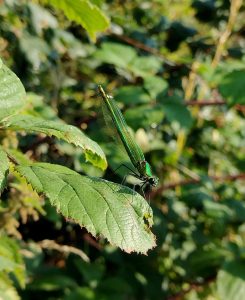
The males are a stunning blue colour, the females are a lovely emerald green colour.
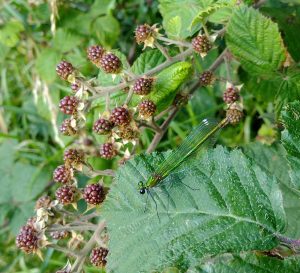
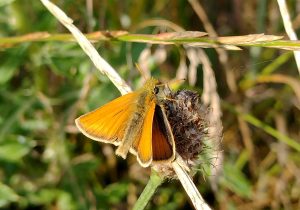
The grassy areas along the coast held quite a few Essex Skippers.
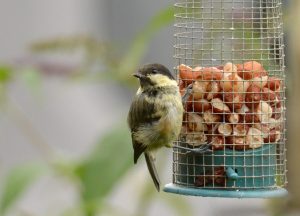
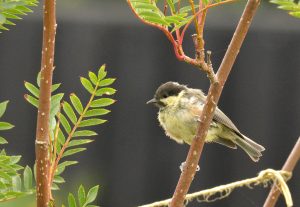
Nearing the end of the month I started to get a young Coal Tit visiting the feeders on its own, lovely to see.
Other birds seen from the garden included a female Marsh Harrier, a Little Egret and a Hobby which shot over the cliffs at breakneck speed whilst chasing Swifts, it didn’t manage to get any before flying off but the Hobbies are one of the few birds that are quick and agile enough to be able to catch Swifts.
And to now finish with some of the moths recorded in July.

Sandy Carpet
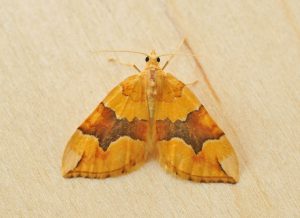
Barred Yellow
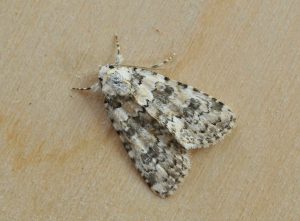
Marbled Beauty
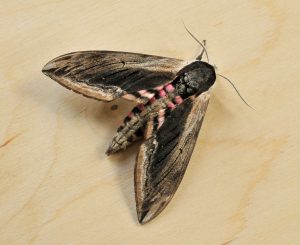
Privet Hawkmoth

Rosy Footman

Swallow-tailed Moth
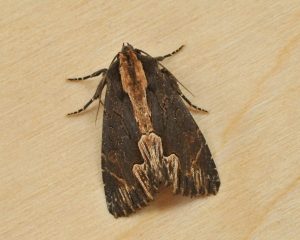
Birds Wing

Yellow Tail
June 2023
The main news of June was the returning of 3 Bee-eaters at the quarry! The first time breeding birds have returned to the same nest site in the UK. There were 5 other birds that also showed up I believe but only the 3 original birds remained. It is believed the first clutch of eggs were predated by Stoats, but they look to be courting again and hopefully will produce another batch.
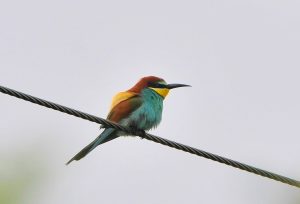
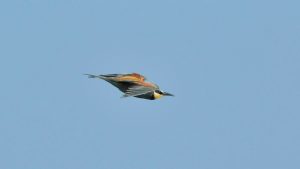
During the month we were fortunate enough to get some warmer and more seasonal weather, the enduring north east winds had eased, apparently we had continual cold N/E winds for 22 days ! It was still quiet on the wildlife front during the month mind you, but mothing proved to be heaps better and I was able to add to the years tally.

Bee-Orchids were in good numbers not far from the quarry site.

There was a lot of young bird activity in the garden, the young starlings squabbling so much on the suet feeder that they made an absolute racket if another bird dared to take their food!
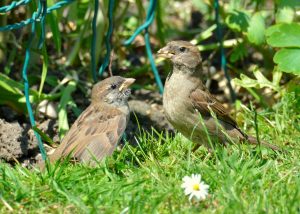
The local House Sparrows had a couple of young that would come out of hiding when the parent approached to feed them, and when the adult departed they would dart back into the borders.

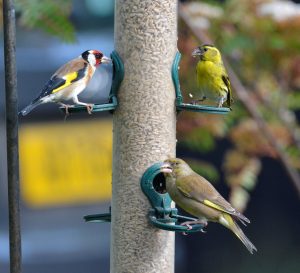
Possibly the same pair of Siskin I had seen earlier in the year put in a one day appearance. Here you can see the male alongside a Goldfinch and Greenfinch, a lovely trio of finches.
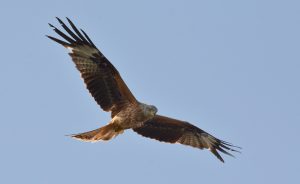
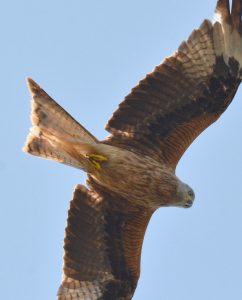
I had a few sightings of Red Kite throughout the month, this bird came very low over the house, when I first picked up on it it was devouring something and eagerly gulped it down before soaring overhead.
There seemed to be a lack of butterflies still, Red Admirals being seen a lot and by the end of the month a number of large whites moved through the gardens.
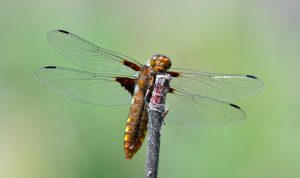
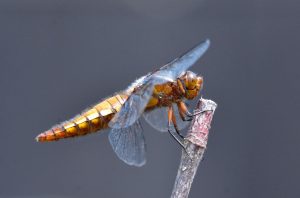
Dragonflies could be seen occasionally passing over but this Broad Bodied Chaser repeatedly landed on the same perch where I was able to grab some images.
Moth species during June thankfully increased and I even managed a brand new species, a small but welcomed Straw Dot.
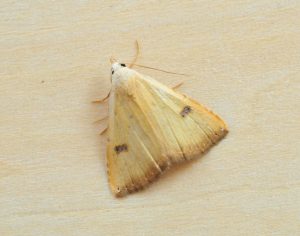
Hawkmoths made an appearance in the form of Elephant and Small Elephant Hawk-moths.
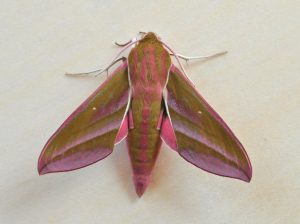
Elephant Hawkmoth

Small Elephant Hawkmoth

I had a couple of Burnished Brass, they are stunning and literally look like they’ve been adorned with gold leaf.
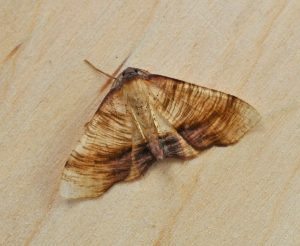
This burnt coloured moth is aptly named Scorched Wing.
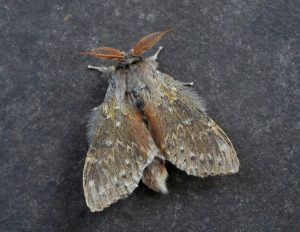
This large and somewhat fluffy haired individual is called a Lobster moth.
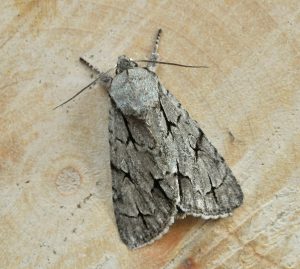
This is one of my favourite moths to see, the Grey Dagger with its dagger like markings.
July should bring some different species on the wing so let’s hope for some decent nights.
May 2023
After the arrival of Swifts, Martins and Swallows and Hobby at the end of April I was eager to see what May would bring………..alas after the second week nothing but cold northerly winds and no sign of spring at all.
The month started promising with at least some sunny weather albeit cold in the shade, a pair of Wheatear in a field off Church Road, possible Lesser Whitethroat along the front and Whimbrel over the house got things going. What may have been the female Blackcap I had visiting the garden over the winter was paired up with a male bird along the front scrub.
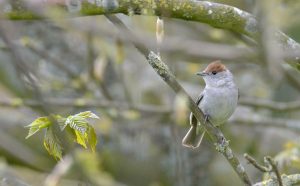
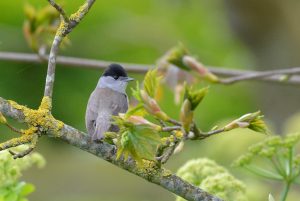
I saw a couple of Swift but nothing like the numbers in April, on the 6th I watched my first bat of the year from the house, a fairly large species that put on a good show. On the morning of the 7th there was a Cuckoo calling from the clifftop scrub, heard from my garden and then when walking the dogs along the front we saw the Cuckoo in the clifftop wood, there were large numbers of Swallows moving through with a few swifts mixed in, by late afternoon there had been no more sign or sound of the Cuckoo so it must of moved on, a Hummingbird Hawkmoth was more than enough to make up for the lack of the bird.

The next day a Cuckoo flew past the house, heading inland and on the 12th a Tawny owl flew out of our Holly tree in the garden when I went into the garden setting off the outside light.

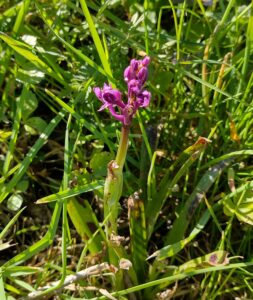
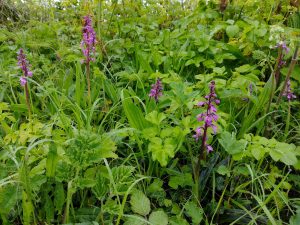
The Early Purple Orchids were showing well and in better numbers this year it seemed.
Perhaps due to the lower temperatures we were experiencing on the coast, but numbers of butterfly were definitely lower than usual, the main species in the garden seemed to be Orange Tip, Holly Blue and the odd Peacock once or twice and a Speckled Wood.

Female Orange Tip

Speckled Wood
The local Starlings seemed to have done well with raising young and I regularly had 10 squabbling youngsters in the garden every day. They would beg for food from the parents or if they were not present then they would fight among themselves to get prime position on the suet feeder!

From mid month the weather deteriorated, I didn’t see anything passing the house nor did I see anything along the lanes when walking the dogs, this Spring had turned out to be awful. I did manage to get the moth trap out on a handful of evenings, but even that was poor with only 1 moth in the trap on a couple of nights, but because it was so dire when I did get moths in the trap they were more than likely to be new for the year ! At least the macro moth tally had slowly risen to 37.
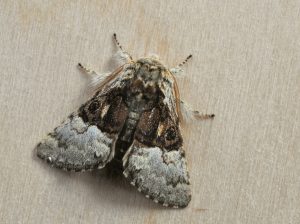
Nut-Tree Tussock
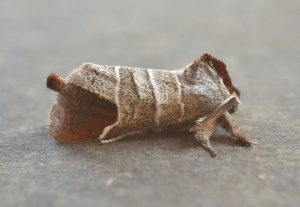
Chocolate Tip
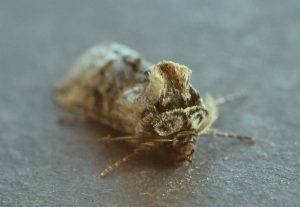
Spectacle (named after the spectacle markings on the head)
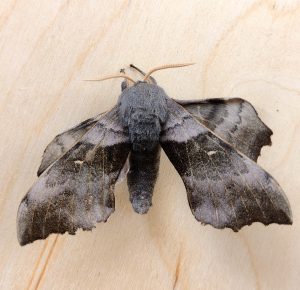
Poplar Hawkmoth
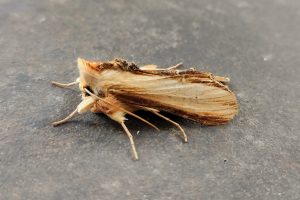
Mullein
Just some of the moths from May and what a variety of names!
The last notable sighting came on a rare sunny morning near the end of the month, found quartering the hedge along Church Road, a female Broad Bodied Chaser, males are a blue colour, luckily it stayed put sunning itself for me to capture a photo with my mobile.

April 2023
It didn’t seem much like spring through most of April, the weather was wet, windy and cold for most of it. I managed to get the trap out just 3 times and the numbers were very low, but for the species I did manage to trap a handful of those were new for the year which was a great bonus. There seemed very little flying past whenever I watched from the garden, but there were a few days of very noticeable migration happening.
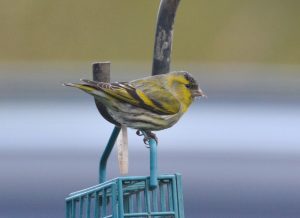
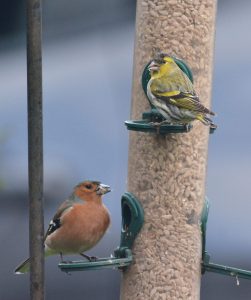
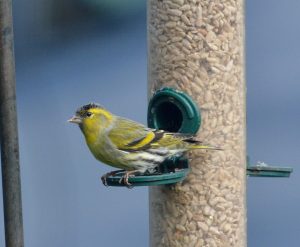
On the 8th I noticed a male Siskin on the garden feeders, but it was very aware of any movement I made and would fly off, I then had a second bird drop in, this time a female type bird, this was more trusting and didn’t move off in a hurry which then, no doubt helping, brought the male bird back to the feeders where I could then grab some photos. The male very noticeably different with the dark cap. Always a pleasure to see Siskins in the garden.


On the 14th (halfway through April and not a lot seen!) I managed to see my first Wheatear of the year, Sarah had seen it flitting along the lower cliff slopes before I got onto it, a male bird and the only one I saw throughout April. On the same day I also heard and saw my first singing Blackcap of the spring, and still no sign of the female bird that had been visiting the garden.
My first chance to get the trap out was on the 9th of the month. I had seven species of macro moth but thankfully one was a year tick. The Early Thorn, a lovely coloured moth that looks more like a butterfly due to the way it holds its wings closed.
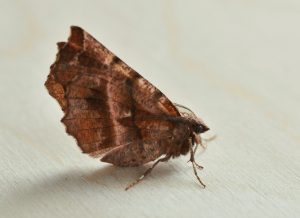
On the 15th on the morning dog walk I saw a pair of Swallows and the first Common Whitethroat along the lane.
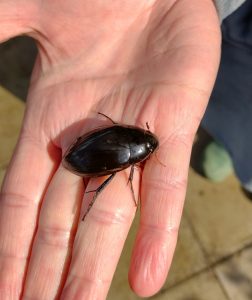
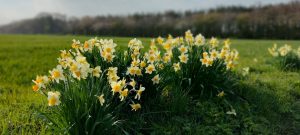
This Great silver diving beetle had been attracted to the moth light no doubt, had them drop in before, and it was found walking across the lawn. The lane verges looked great with all the daffodils in bloom.
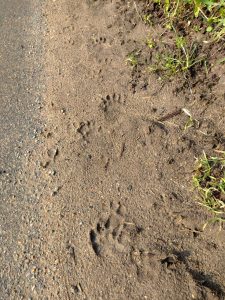
And along the sandy edges of the road a lot of badger footprints.
On one of the sunny days we had 3 Bee Fly’s feeding on the flowers.

The 16th was a good day for buzzards to be migrating over, I counted 13 in one group along with a couple of Red Kites thereafter.

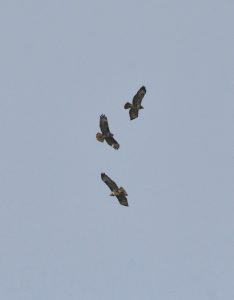
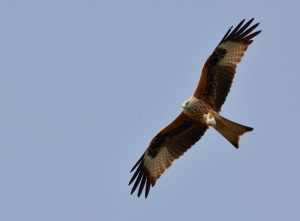
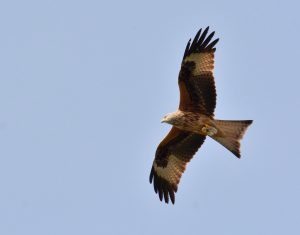
This Red Kite seemed to be holding a bag or piece of material ? It pecked at it on a couple of occasions but it didn’t seem to be caught up in it so I don’t know what it was, perhaps a packed lunch for the journey south !
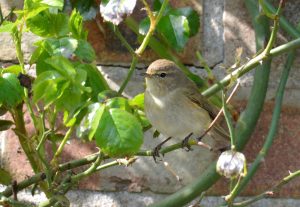
I’ve sometimes seen Chiffchaff in the garden flitting about but never hanging around for long, so it was a nice chance to watch one busily looking for insects to feed on.

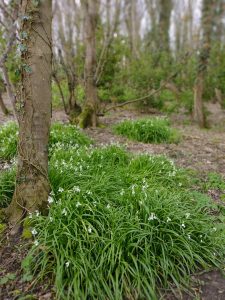
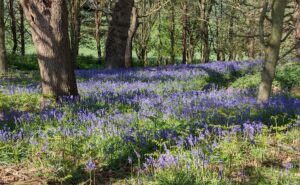
The Bluebells were coming out now and these white ones were in the clifftop wood, the primroses were scattered all around and on the cliffs.


What wasn’t so nice to see was a large cliff slide that was just west of the clifftop wood, reaching down to the beach, this was the first major slide I have seen along this stretch. We’ve had so much rain recently which doesn’t help.
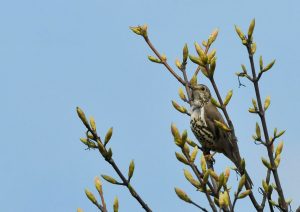
I was starting to see more swallows passing along with a few House Martins, a couple of Med gulls and a Willow warbler and Mistle thrush in the churchyard, the same one that is still hanging around I’m sure.
My second moth trapping was on the 22nd, I had 6 species and I think as many moths in number too, but to my delight 3 of those were new for the year!
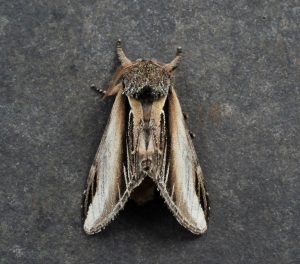
Swallow Prominent

Red Chestnut
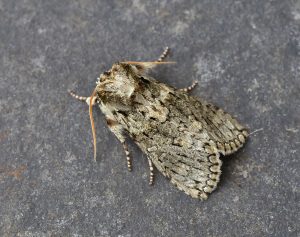
Frosted Green
On the 26th I saw a Yellow wagtail and Fulmar fly along the coast and another Whitethroat on the clifftop. There could be up to 4 birds dotted around the lanes so they look to be successful breeding this year.
The highlight of the month for me came on the 28th, I had read a report of 9 Swifts heading east from Sidestrand !! This was around half an hour before so I knew I wouldn’t see them but as I looked out of the back door a single Swift flew over the trees behind the house. I certainly didn’t expect to see a Swift yet and not on that day as the weather was very grey with low cloud, but then a few swallows and martins passed so I couldn’t resist but birdwatch from the garden, and by the end of the day I had counted 40 Swifts over the garden/house. What a great sight to see, and with hirundines on the move then there’s no surprise in seeing a small raptor somewhere but I also wasn’t expecting to see a Hobby pass along the clifftops.
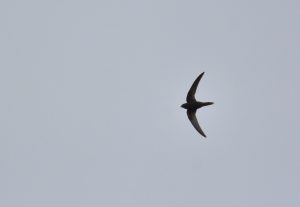
The Swifts Return

And strangely since that day and with better weather conditions, I haven’t seen any more Swifts pass here ?
My last night for the trap to go out was on the 29th, I got just 4 moths in total !! It really is a quiet spring and has been hampered by the weather, but on a surprising note, one of the 4 moths was new for the year would you believe, so that kept me from moaning too much.

Lunar Marbled Brown
And pleasantly the weather put on a nice showing of sun and we finally got to see some butterflies through the garden, best of all was the first Orange Tip of the year.
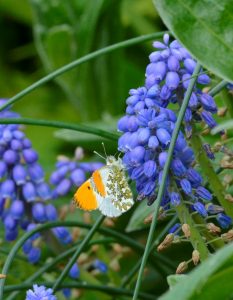
Here’s hoping for a decent May ?